Kelateh
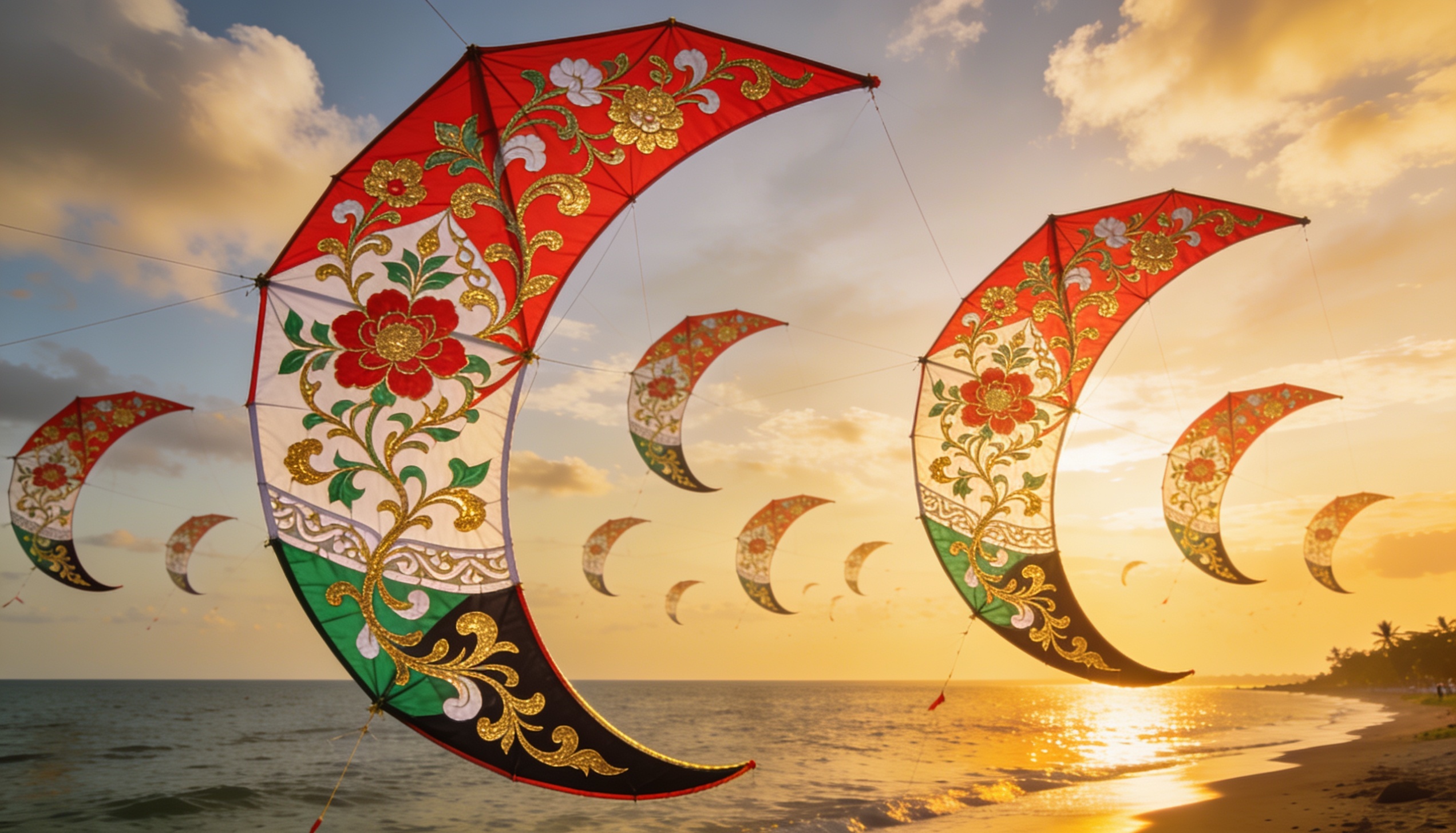
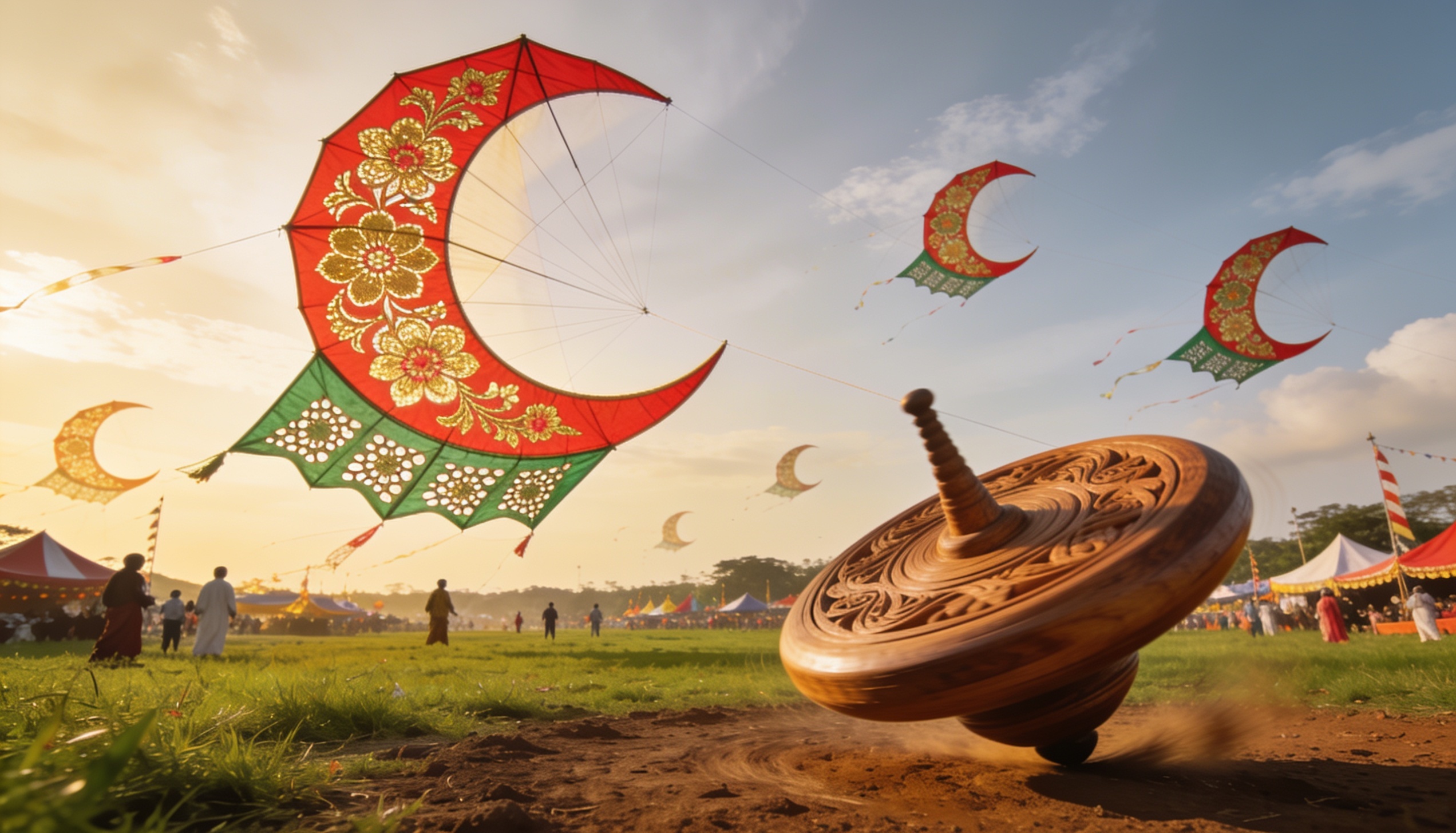
Giant Wau Bulan moon kites over the Kelantan coast at golden hour

Cerita · The story of Kelantan

A heritage
kept by hand.

Kelantan is one of the great heartlands of Malay culture — the Verandah of Mecca, a royal town, and crafts the rest of the country calls “traditional.” Told here with pride, and with the facts straight.

Kelantanese songket weaving in gold and silver thread A heritage centuries deep

Kelantan: the cradle of Malay culture

Faith, craft and art ran deep here long before the modern map was drawn. This is the Kelantan a newcomer should meet first — and the one locals carry with quiet pride.

“Kelantan did not borrow its culture. It made it, kept it, and still practises it by hand today.”

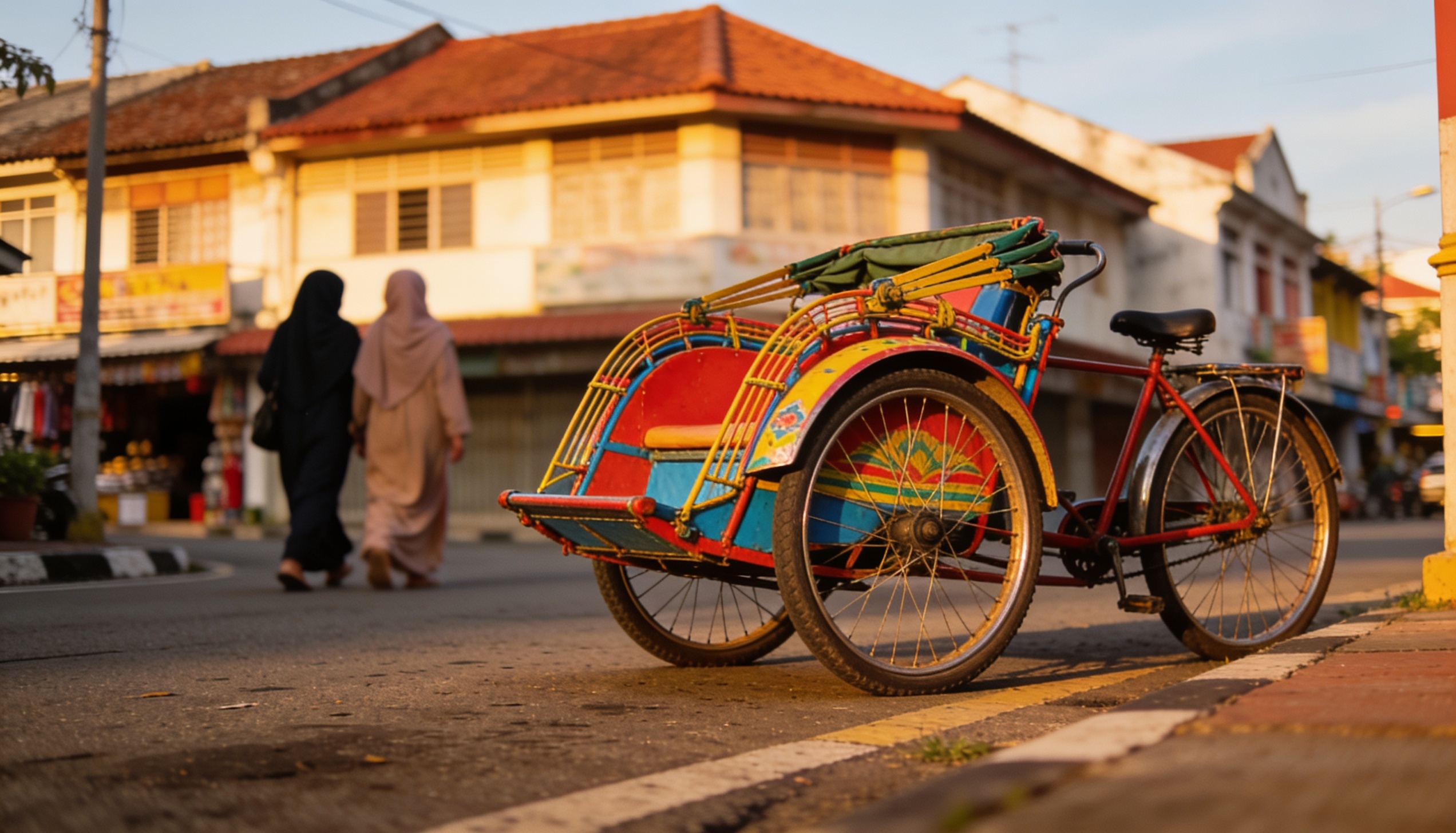
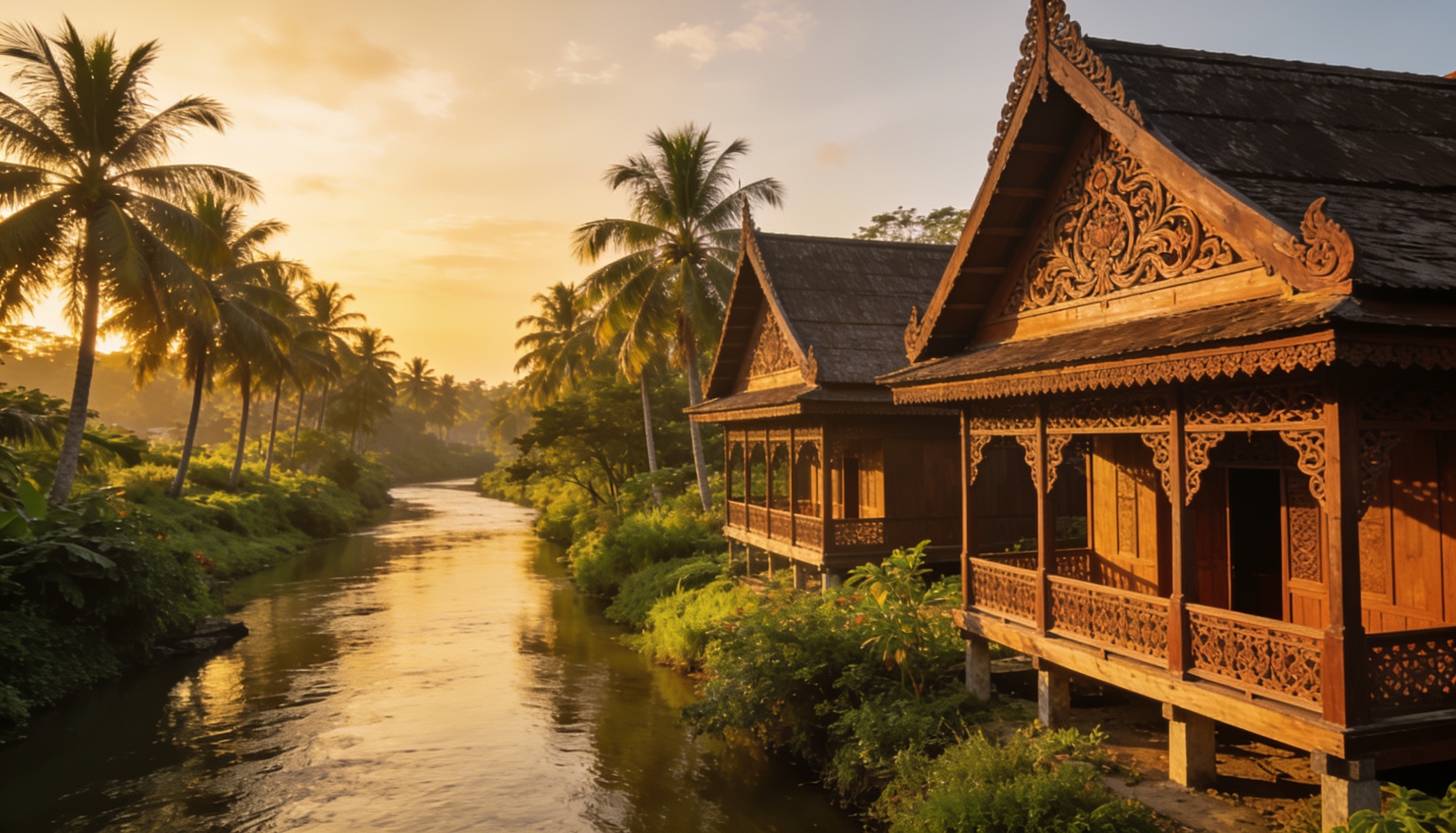
A trishaw rider on a quiet Kota Bharu street, the old town that grew around faith and learning Centuries of learning

Serambi Mekah: Kelantan, the Verandah of Mecca

Long before the modern map was drawn, Kelantan was a centre of Islamic scholarship. The title Serambi Mekah explains much of how the state lives, prays and welcomes.

“Kelantan earned its place as a seat of learning the slow way — generation after generation, teacher after student.”

The royal town of Kota Bharu, seat of the Kelantan sultanate since 1844 1844 to today

A Short History of the Kelantan Sultanate

Kelantan's identity has a court at its centre. This is the short story of the sultanate, the town it built, and the royal quarter you can still walk through.

“Kota Bharu was not built around trade alone. It was built around a sultanate, its mosque, and its craftspeople — and it still stands that way.”

A wau bulan, the crescent-shaped Kelantanese kite with intricate floral cut-out decoration A craft kept by hand

Wau Bulan: Kelantan's Moon Kite

The wau bulan is a crescent-shaped kite, hand-cut and hand-decorated. From Kelantan's fields it rose to become one of Malaysia's best-loved national symbols.

“A village craft, made with a knife and patience, ended up on the nation's banknote and the tail of its airline.”

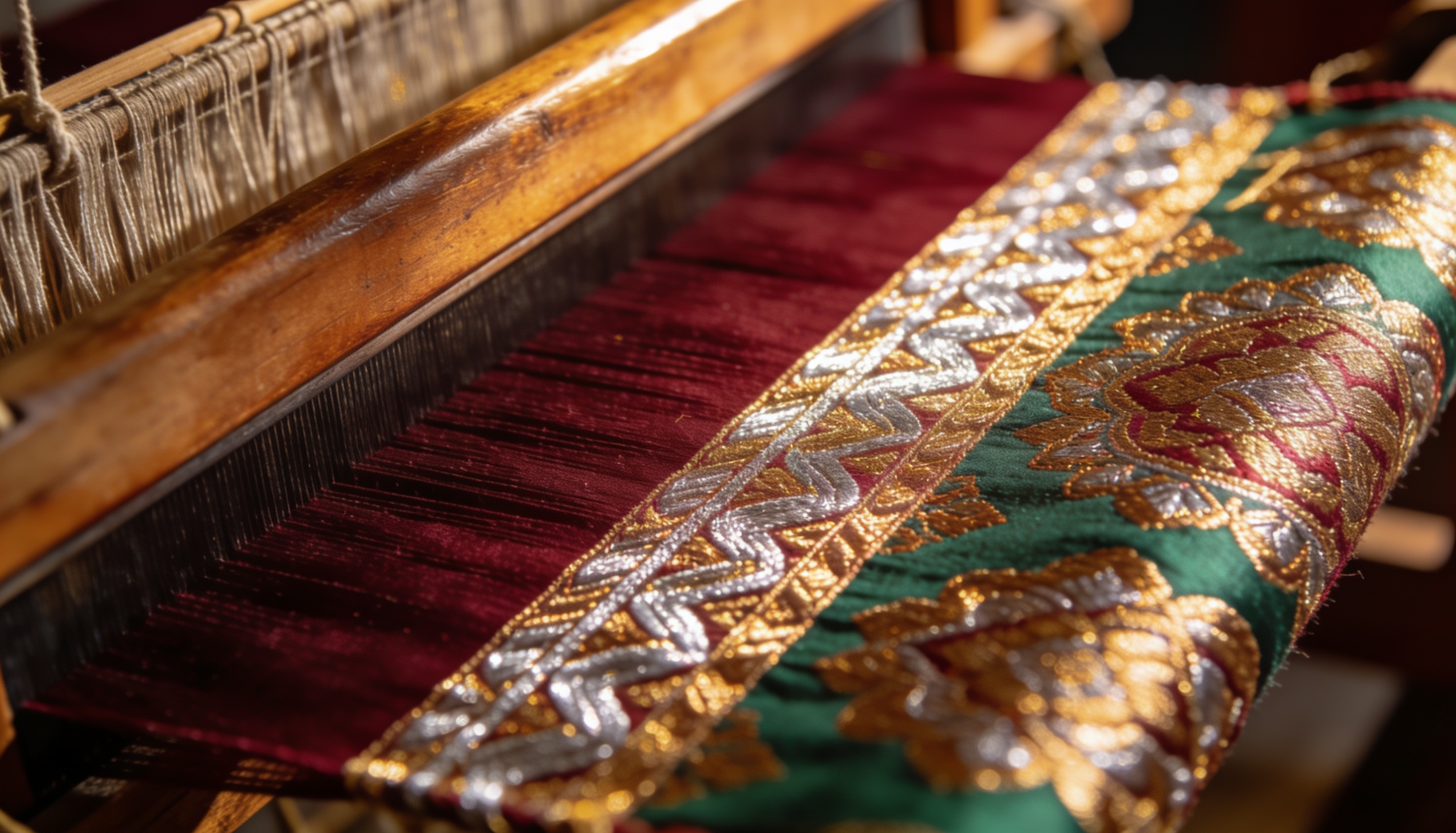
A weaver working gold and silver thread into songket on a wooden loom Woven by hand for generations

Songket: the Cloth of Kings

Silk threaded with gold and silver, woven inch by inch on a wooden loom. Songket was once the dress of kings, and in Kelantan it is still made the slow, careful way.

“Few places anywhere still weave cloth this fine entirely by hand. Kelantan is one of them, and it never stopped.”

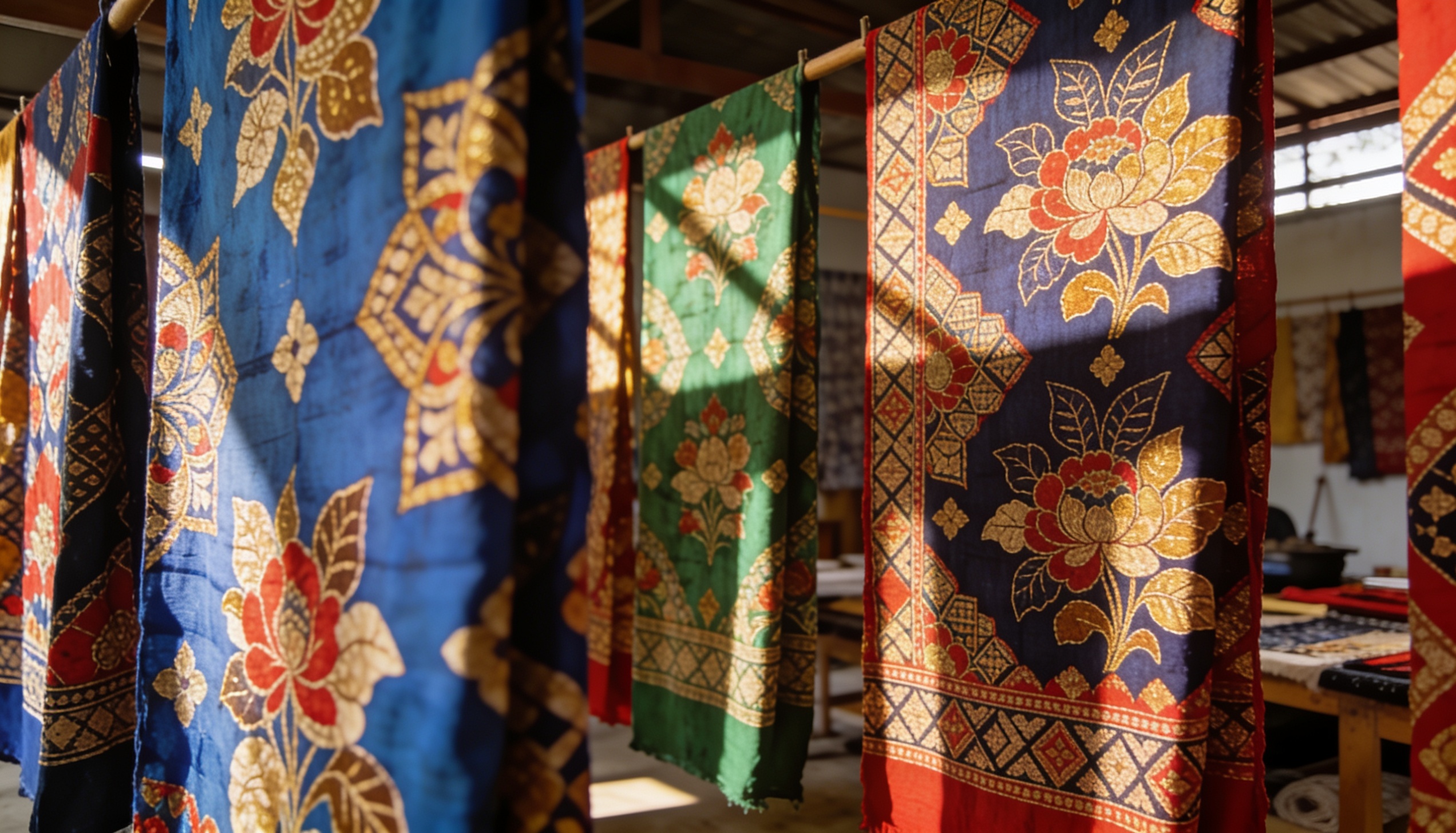
A batik artisan applying hot wax to fabric with a copper block A living craft

Kelantan Batik: Pattern in Wax and Dye

Hot wax, a copper block or a steady hand, and colour laid down one layer at a time. Kelantan batik is bold and botanical, and it is made here in workshops you can walk into.

“Kelantan did not just adopt batik. It gave the craft a hand of its own, bold and unmistakable, and kept the workshops working.”

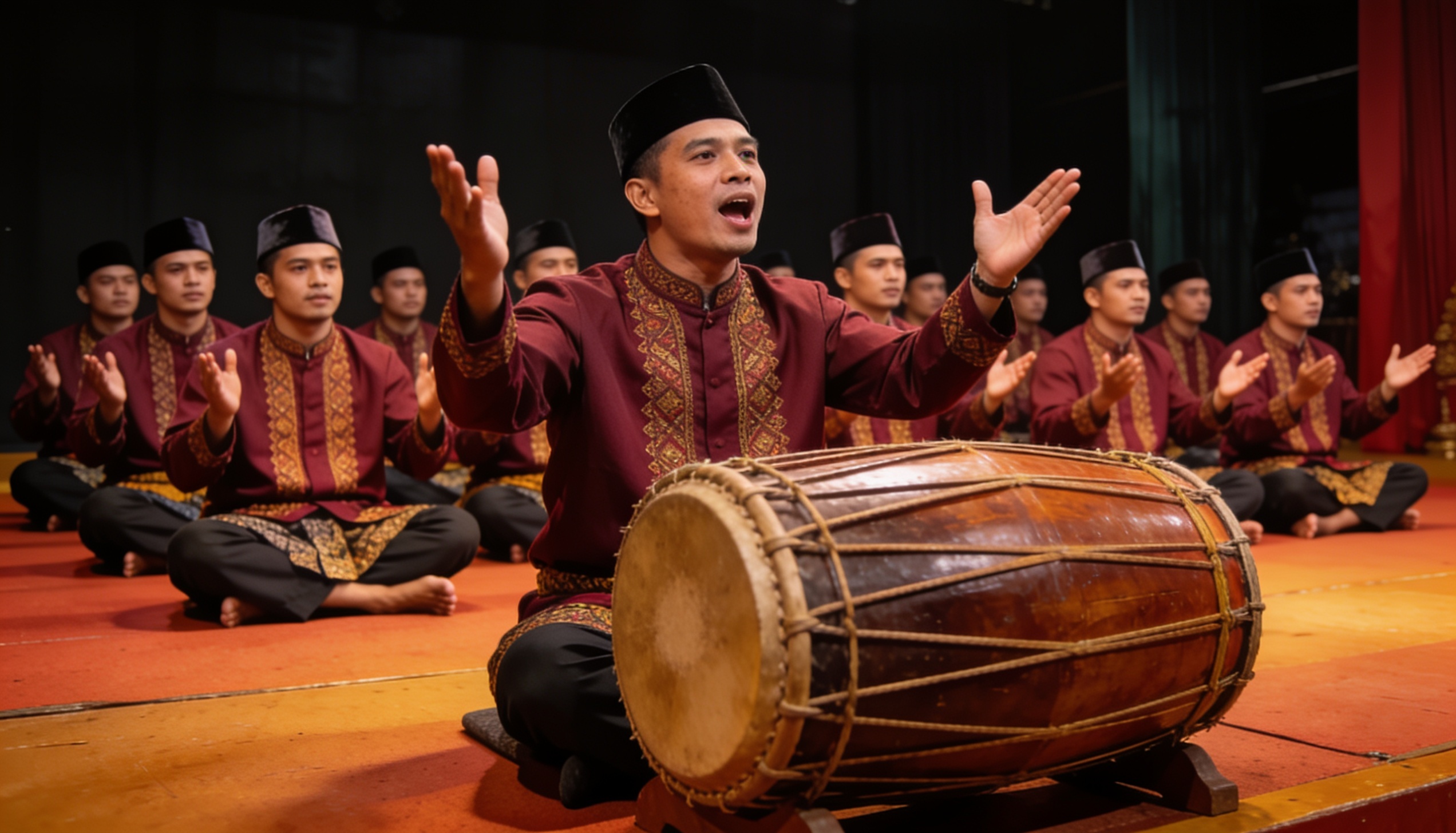
A dikir barat group seated and clapping in unison during a performance A voice that travelled

Dikir Barat: the Sound of Kelantan

A group seated on the floor, a sharp-witted leader, hands clapping in unison and voices answering as one. Dikir barat is Kelantan's living sound, and it is heard all over Malaysia now.

“Kelantan gave Malaysia one of its most loved performing arts, a sound built from nothing but voices, hands and quick wit.”

A glowing white cloth screen lit from behind at a night performance, warm lamplight and a festival crowd, dignified and calm, no figures shown on the screen An ancient stage

Wayang Kulit: the Shadow Play of Kelantan

Behind a lit white screen, a master storyteller and a small orchestra bring leather puppets to life, one of Kelantan's oldest performing arts.

“Kelantan has kept one of the region's oldest theatre arts alive as living heritage.”

A heavy hand-carved hardwood spinning top resting on a wooden post in warm daylight, smooth grain and a worn cord nearby, quiet and dignified, no people A game of skill

Gasing: the Giant Spinning Tops

A heavy hardwood top, hand-carved and weighted, spun by adults as a serious craft and sport woven into the Kelantan rice year.

“Kelantan turned a humble spinning top into a craft and a contest of real skill.”

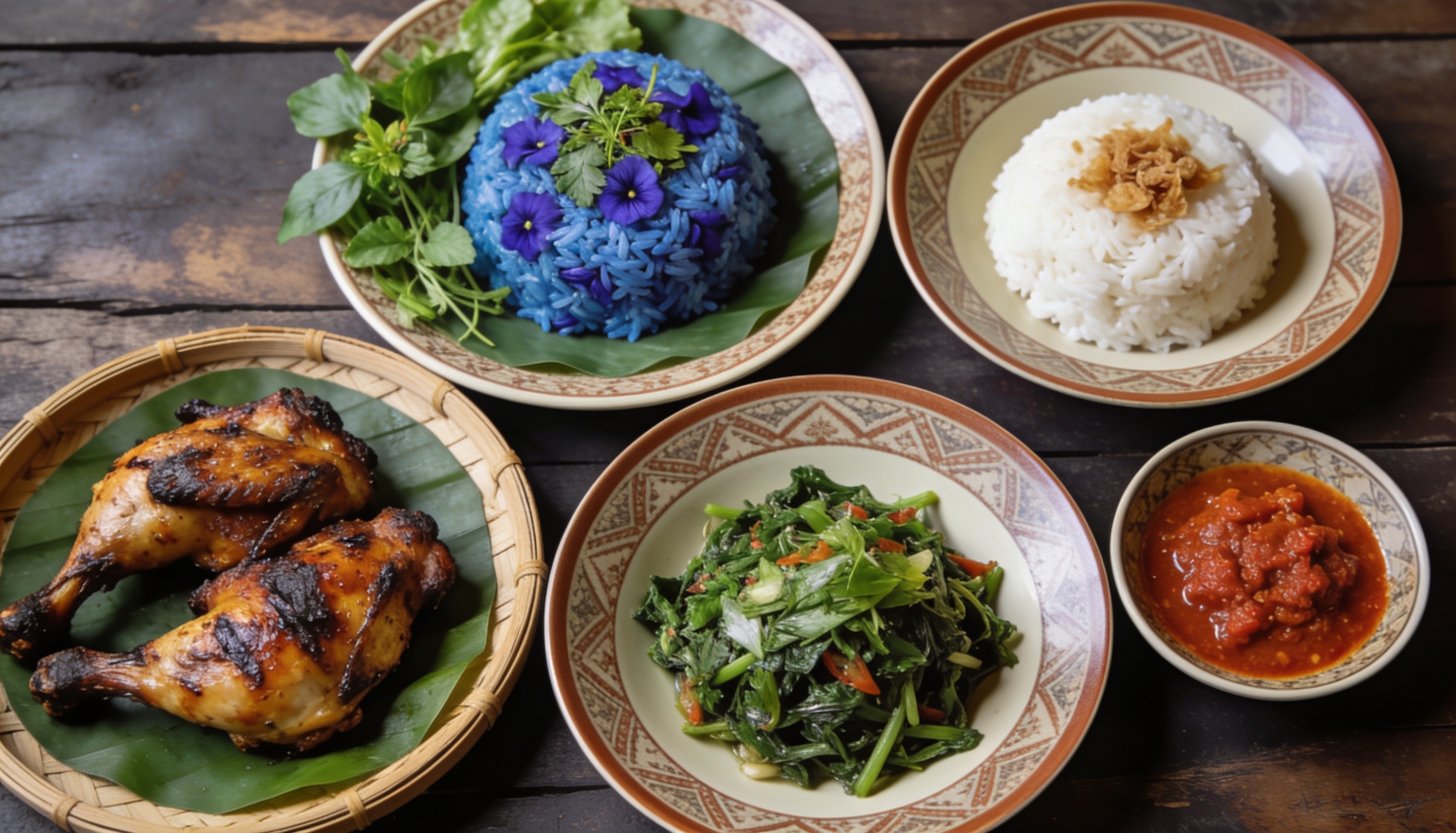
A spread of Kelantanese dishes including blue-tinted herb rice and small bowls of sauces and herbs on a wooden table in warm daylight, fresh and inviting, no people Tastes kept alive

The Food Heritage of Kelantan

Blue herb rice, fragrant nasi dagang, fermented budu and a distinctly sweeter palate, the everyday food that carries Kelantan's heritage.

“Kelantan's kitchen is one of Malaysia's most distinctive, carried forward at every family table.”

Kelateh · Legends

Legends of Kelantan

The heroes and folk figures whose names still carry weight in the northeast, the documented and the legendary alike.

Tok Janggut

Historical

Anti-colonial folk hero & silat master

1853 – 1915

Haji Mat Hassan, known as Tok Janggut ("Old Long Beard"), was a respected religious student and silat master from Pasir Puteh. In 1915 he led villagers against a harsh new British tax in what became the Kelantan Rebellion, and was killed in the fighting. He endures as a symbol of standing up for ordinary people.

Cik Siti Wan Kembang

Legend

The legendary warrior-queen

c. 1610 – 1667 (legend)

In Kelantan folklore, Cik Siti Wan Kembang was a wise warrior-queen who rode into battle with a sword and an escort of women riders. Tradition links her to the kijang (deer) emblem on old Kelantan gold coins. Historians find no firm record of her, so she lives on as a treasured legend rather than a documented ruler.

Puteri Saadong

Legend

Legendary queen who defied Siam

17th century (legend)

Said to be the adopted heir of Cik Siti Wan Kembang, Puteri Saadong is remembered for her beauty, courage and her resistance to a marriage demand from the King of Siam. Tales tie her to Gunung Chinta Wangsa and her eventual disappearance into the Kelantan highlands. The mystical details are folklore; the romance endures.

Long Yunus

Historical

Founder of the modern Kelantan state

18th century

A leader with roots in Patani, Long Yunus unified the warring chiefs of Kelantan under one authority and is regarded as the founder of the modern state. The present royal house descends from his line; his son later took the title Sultan Muhammad I, beginning the sultanate that continues today.

Tok Kenali

Historical

Revered scholar of the pondok tradition

c. 1868 – 1933

Born to a poor village family, Haji Muhammad Yusuf, known as Tok Kenali, studied in Mecca for over two decades before returning to teach in Kelantan. Students gathered in huts (pondok) around his home, and many became leading figures in Islamic affairs across Malaysia. His tomb near Kota Bharu is still visited today.

Tuan Tabal

Historical

Sufi scholar, Mufti & Jawi author

c. 1816 – 1891

Haji Wan Abdul Samad, known as Tuan Tabal, was one of Kelantan’s most renowned ulama, a pioneer of Sufi teaching in the region and the author of many Islamic works in Jawi script. He trained a generation of scholars and is buried in the Banggol cemetery in Kota Bharu.

Dollah Baju Merah

Historical

Master puppeteer of wayang kulit

1937 – 2005

Abdullah Ibrahim, the celebrated Tok Dalang nicknamed "Red Shirt", was one of Kelantan’s greatest shadow-puppet masters. Famed for expressive storytelling and intricate puppet work, he helped keep wayang kulit alive through decades of decline; his puppets are now preserved as national heritage.