
Some places preserve their heritage in museums. Kelantan still lives in it. The crafts, the food, the dialect and the faith that define this corner of Malaysia are not exhibits here; they are Tuesday mornings at the market and Friday nights at the cultural arena. For a newcomer, that is the first thing to understand. For a Kelantanese, it is simply home.
The Verandah of Mecca
Kelantan has long been known as Serambi Mekah, the Verandah of Mecca, for its deep tradition of Islamic learning. Generations of scholars studied here and abroad and brought their knowledge home, and the state’s religious schools and surau culture shaped a society where faith and daily life are closely woven. It is a title Kelantan wears with pride, and it explains a great deal about the rhythm of the place — from the prayer times that order the day to the modesty and warmth a visitor feels almost immediately.
A royal town
The heart of it all is Kota Bharu, established in 1844 as the seat of the Kelantan sultanate. The old royal quarter around Padang Merdeka still holds the istanas and the heritage buildings that tell the story of a court culture centuries in the making — a town built not around trade alone, but around a sultanate, its mosque, and its craftspeople.
The crafts that the world copied
Kelantan’s name travels on the things its people make by hand:
- Wau bulan, the moon kite, so loved that it flies on the fifty-ringgit note and the national airline’s tail.
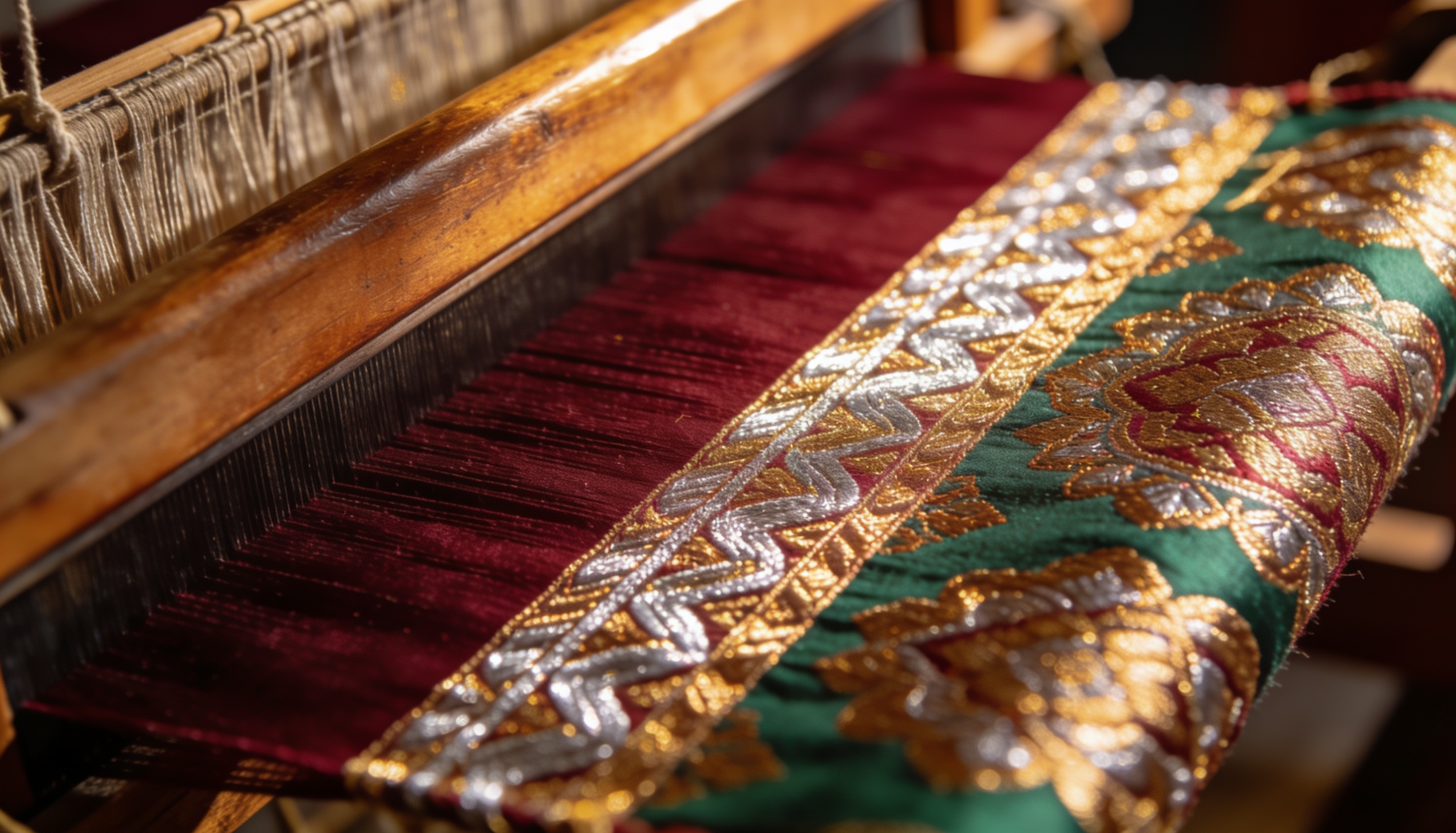
- Songket, silk shot through with gold and silver thread, woven in villages like Kampung Penambang on looms that once dressed royalty.
- Batik, silverwork, and wood carving, each with a distinctly Kelantanese hand.
These are living trades, not souvenirs. You can still watch them being made, and buy them from the makers.
A sound and a tongue of its own
Kelantan’s performing heritage — dikir barat, the rousing call-and-response chorus now sung across Malaysia, alongside older shadow-play and theatre traditions kept as cultural heritage — gave the country some of its most recognisable art forms. And over all of it sits loghat Kelantan, a dialect so distinct that other Malaysians need a moment to tune in. To locals it is not a quirk; it is the sound of belonging.
Why it matters
Put together — the faith, the royal town, the crafts, the arts, the dialect, the food — Kelantan is not a place on the way to somewhere else. It is one of the genuine heartlands of Malay culture, and much of what the rest of the country treasures as “traditional” was kept alive here, by hand, without asking for credit. That is worth knowing as a visitor. It is worth being proud of as a local.