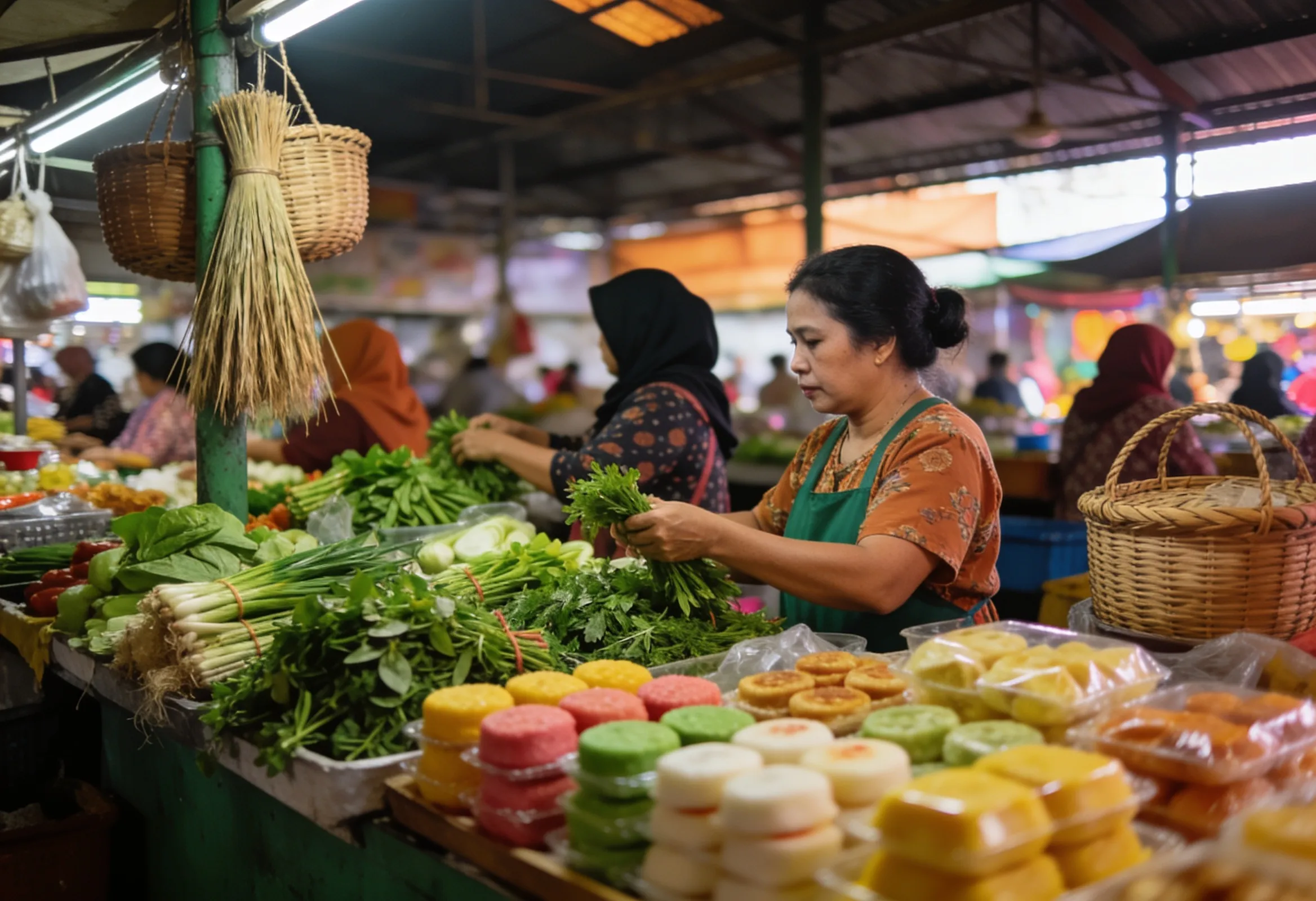
A Muslim-majority Kelantan market. The cooked food and snacks are local Malay fare, prepared the way Kelantanese families eat at home. Family-friendly throughout.
Central Kota Bharu, Kelantan (the old town, near the padang)
Mornings are best, while the produce is freshest and the makcik are still arranging their best. Calmer around Friday midday prayers. In the monsoon months, ask locally before you set out.
Welcome to Pasar Siti Khadijah, the heart of Kota Bharu and, we, us reckon, the truest taste of Kelantan you can get in one morning. This is the market the makcik (aunties) run. Generations of women traders sit behind their produce, calling out prices, weighing your fish, slipping an extra handful of chilli into the bag because demo (them, the regulars) always come back.
Go early. The market wakes before the city does, and the morning is when everything is at its best. The vegetables are still cool, the fish came in fresh, and the cooked-food sellers are laying out kuih in every colour. Walk slowly. Let yourself get a little lost between the stacks of ulam and the bottles of budu. Nobody is rushing you.
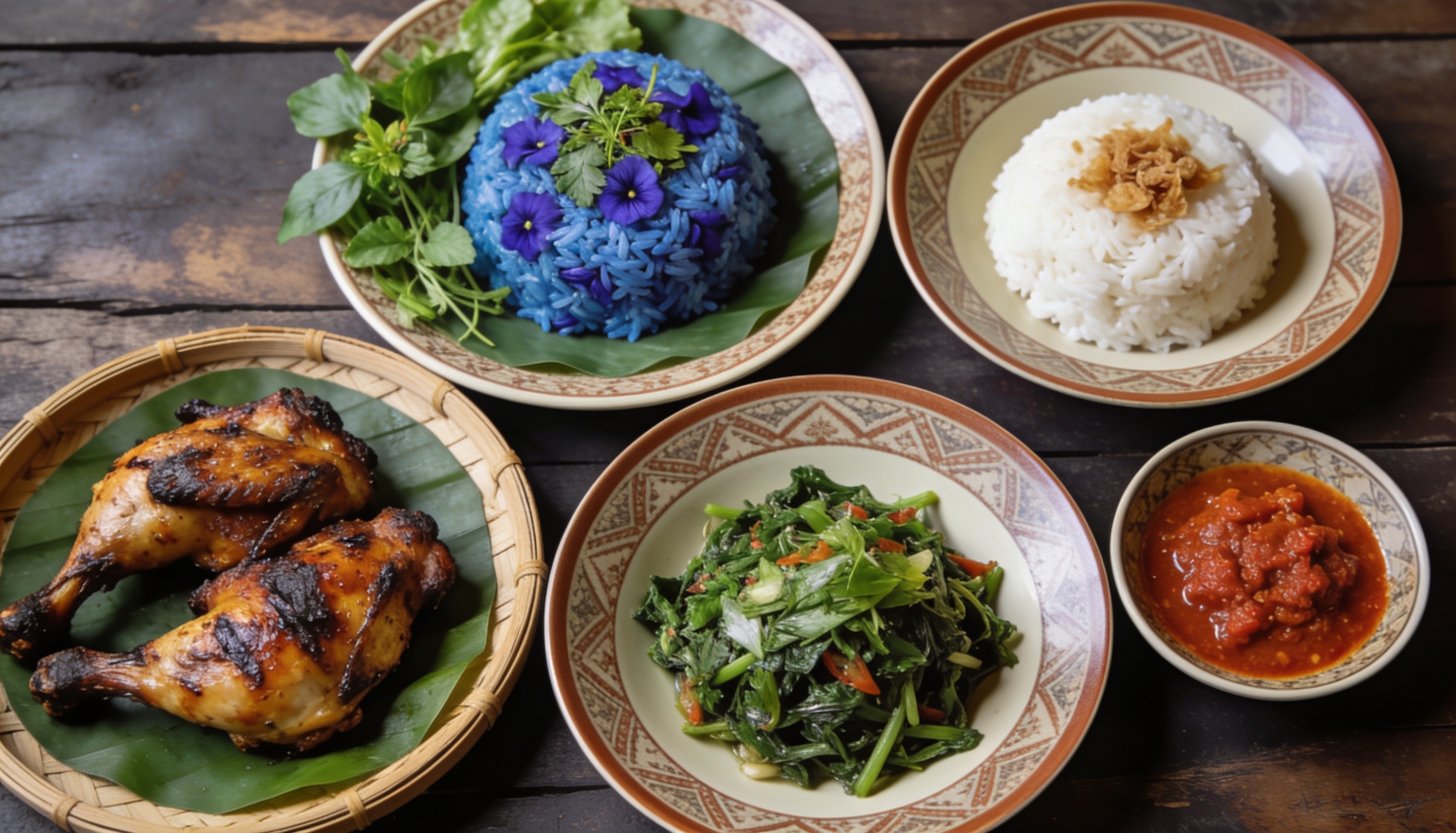
This is where you eat, not just shop. Find the nasi kerabu, that blue rice tossed with herbs and a spoon of budu, and you will understand why people drive hours for it. delicious is the only word that fits. Pick up a nasi tumpang wrapped in banana leaf for later, and an akok or two while they are warm. Everything is murah (good value) by city standards, and tastes of someone’s home kitchen. It is the everyday food of Kelantanese families, halal throughout. Halal verified
You will understand why people drive hours for a plate of blue rice.
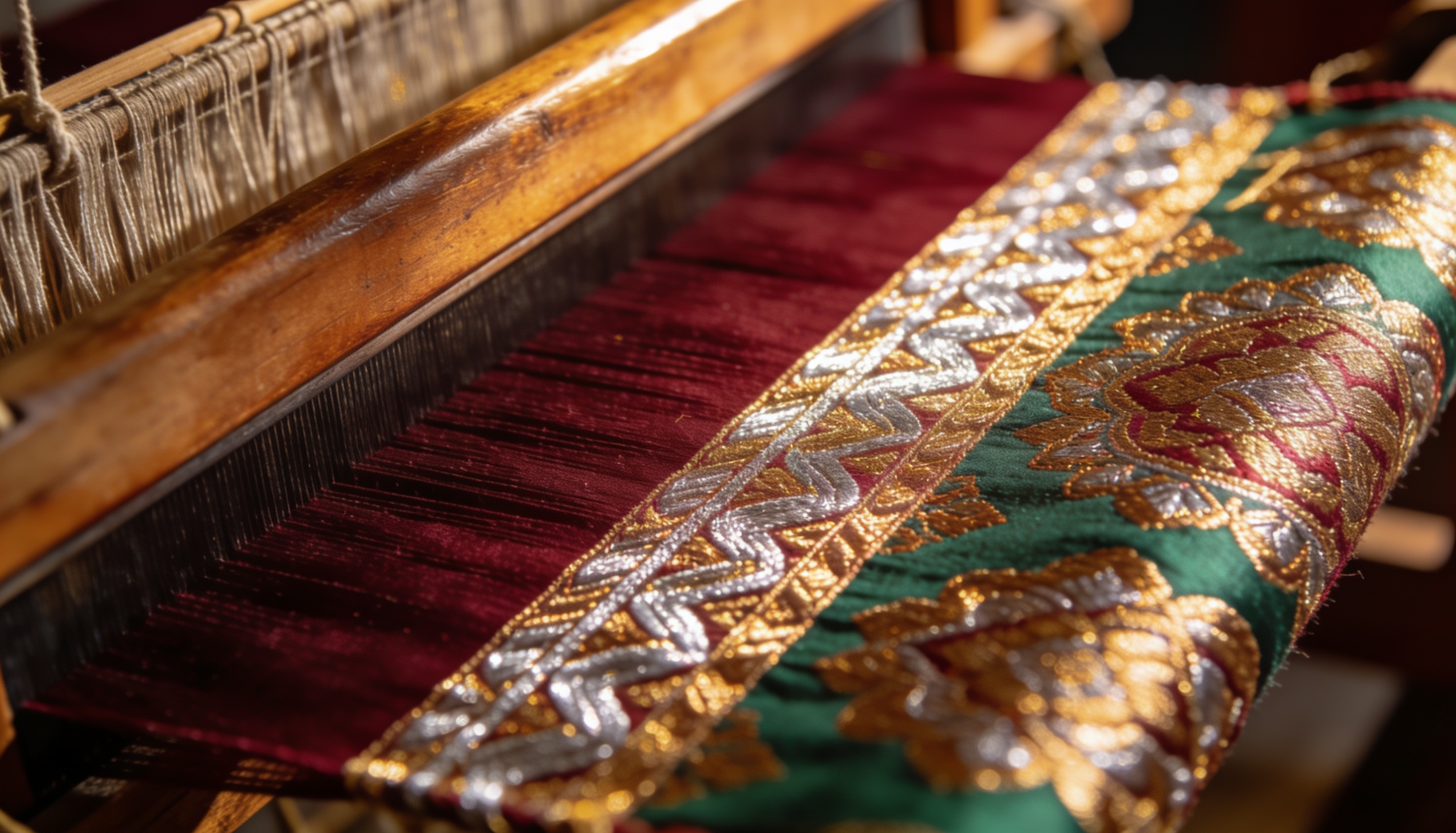
Upstairs, the mood changes. The food gives way to cloth, the batik and songket Kelantan weaves so well. Even if you only kkecek (chat) with the sellers and buy a small piece, it makes a fine gift to carry home.
What to eat
- Nasi kerabu, the blue-tinted rice tossed with herbs, coconut and budu. The dish people travel for
- Nasi tumpang, breakfast layered in a cone of banana leaf, made to eat on the move
- Nasi dagang, rich rice steamed with coconut, usually paired with fish curry
- Akok, a soft baked egg-and-coconut kuih, sweet and a little smoky
- Kuih of every colour, the morning snacks the makcik lay out fresh each day
- Local kopi, pulled strong, the way the aunties drink it while they kkecek (chat) between sales
What to buy
- Fresh vegetables and local ulam (raw herbs and greens Kelantanese eat with rice), stacked high by the makcik
- Fish and seafood in the morning, plus salted fish (ikan masin) to take home
- Budu, the fermented anchovy sauce that is the soul of Kelantan cooking, sold in bottles to carry back
- Local spices, dried chilli, fresh turmeric and the aromatics that make a proper nasi kerabu
- Tropical fruit in season, from the everyday to local favourites you will not find down south
- Batik and songket upstairs, the woven and printed cloth Kelantan is known for, good for gifts
Good to know
What time should I visit Pasar Siti Khadijah?
Come in the morning. The market wakes early and the produce is freshest then. Some sections quieten by late afternoon, and it is calmer around Friday midday prayers.
Is the food at Pasar Siti Khadijah halal?
Yes. It is a Muslim-majority Kelantan market and the cooked food and snacks are local Malay fare, family-friendly throughout.
What is Pasar Siti Khadijah known for?
It is famous as the market run largely by women traders, selling fresh produce, local cooked breakfasts like nasi kerabu and nasi tumpang, budu and spices, and batik and songket upstairs.