A family-friendly craft village in a Muslim-majority town. Modest dress is welcome and appreciated. Surau and prayer spots are nearby, and halal food sits a short walk away in town.
Central Kota Bharu, Kelantan (town centre, in the old heritage quarter)
Weekday mornings, when the workshops are liveliest and artisans have time to kkecek. Many makers slow on Fridays around prayers, so plan around midday.
Kelantan is a state that makes things by hand, and Kampung Kraftangan, the Handicraft Village, is where so much of that skill gathers under one roof. In the heart of Kota Bharu, this is where we, us send guests who want to see how the state’s beauty is actually made , all in one easy visit.
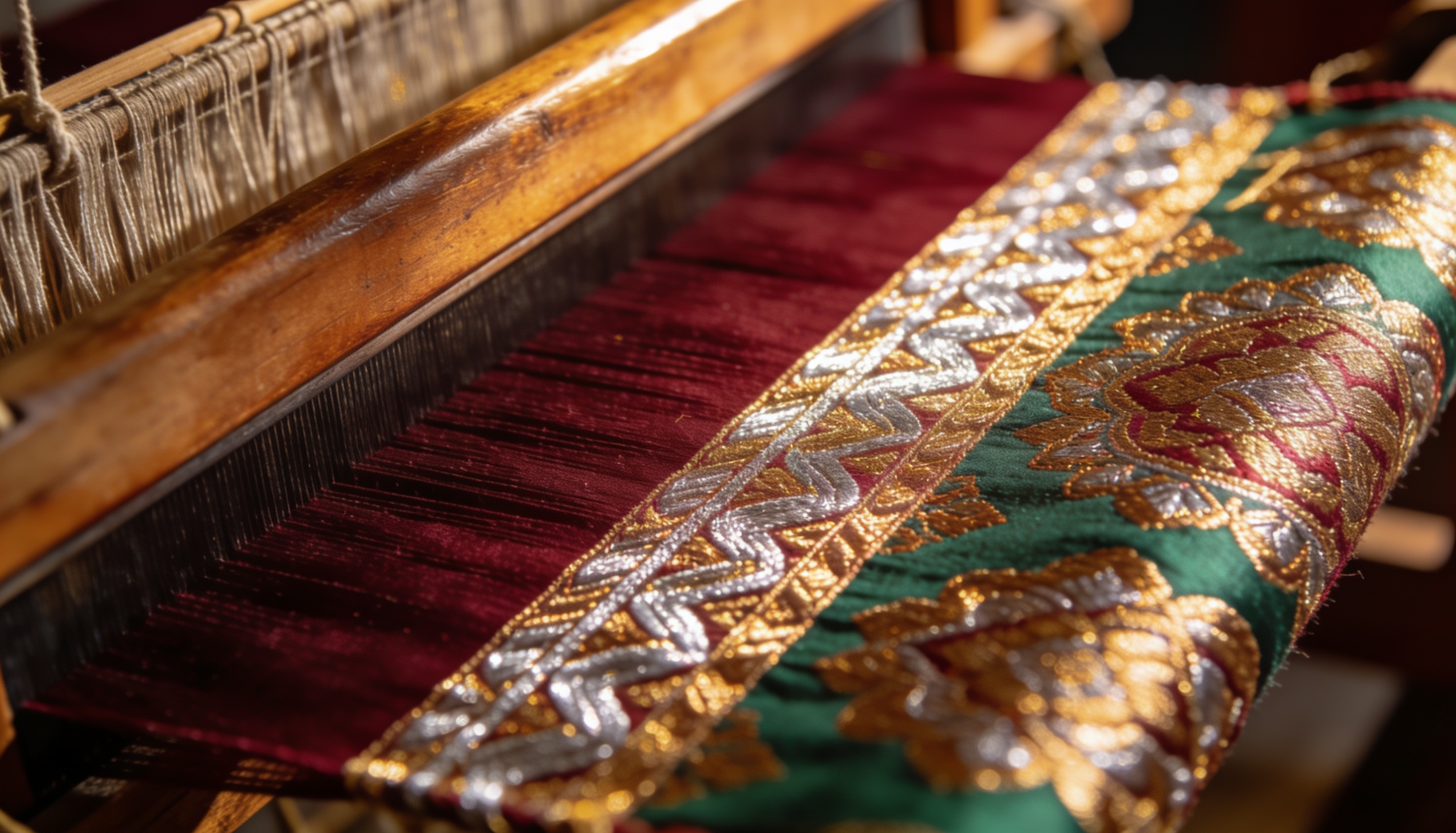
Walk through and the crafts unfold one by one. Batik is stamped and hand-drawn, the wax laid before the colour. Songket is woven thread by patient thread, gold catching the light. There is silverwork, fine and detailed, and woodcarving cut the old way. A craft museum on site fills in the story, so you leave understanding not just what the pieces are, but how and why they came to be. Take your time, and chat with the artisans, because they are proud to explain their work.
You leave understanding not just what the pieces are, but how and why they came to be.
The lovely part is buying direct. A scarf, a small silver piece, a length of batik, there is something at every budget, and when you buy from the maker, more of the money stays with the maker. If watching looms run is what draws you, the weaving village at Kampung Penambang just outside town is a fine pairing. To understand the wider picture first, read the living crafts of Kelantan overview, and the central market nearby sells cloth and food worth a wander too.
What to eat
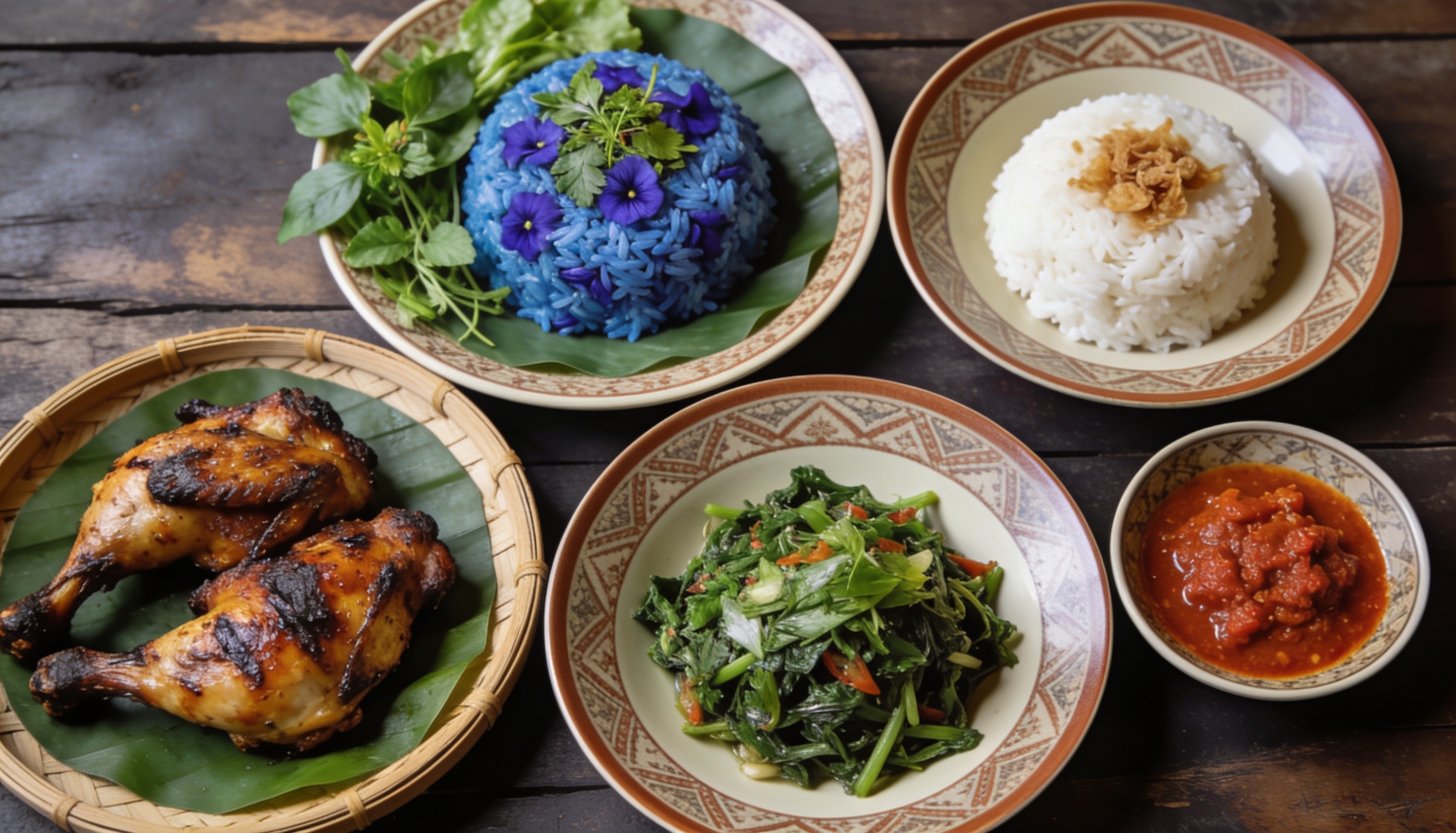
- Local kuih and cold drinks from the stalls and cafe corners around the craft houses
- A short walk into town brings you to Kelantan favourites like nasi kerabu and nasi tumpang
Good to know
What crafts will I see at Kampung Kraftangan?
It gathers the famous crafts of Kelantan in one place: batik being printed and hand-drawn, handwoven songket, silverwork and woodcarving. There is a craft museum on site too, so you learn the story behind each craft, not just the finished piece.
Can I watch the crafts being made, and buy them?
Yes, that is the joy of it. You can often watch artisans at work and then buy direct, which means the money goes to the makers. Pieces range from small affordable keepsakes to fine songket and silver.
When is it open, and is there an entrance fee?
It keeps regular daytime hours. The craft houses are free to browse, while the craft museum usually charges a modest fee. Hours can shift and some makers pause around Friday prayers, so confirm locally on the day.