Kelateh
历史与遗产

哥打巴鲁简史:从王城到今日

从1844年创立的王室之都,到今日的文化首府,并以今昔对照漫步全城。

阅读约 7 分钟 · Updated Jun 2026

哥打巴鲁的历史看似轻描淡写,底蕴却很深厚。它的名字意思接近「新堡」或「新城」,而我们所熟知的这座城,始于 1844 年,当时 苏丹穆罕默德二世(Sultan Muhammad II) 将它定为吉兰丹的王室首府,并在河畔建起宏大的议事宫 Istana Balai Besar。这片土地本身要古老得多,交织进数百年的贸易与半岛东北早期的马来王国之中,但正是围绕那座十九世纪的王城区,现代的城镇才生长起来。

夹在两大势力之间的首府

在整个十九世纪和二十世纪初的大部分时间里,吉兰丹处于暹罗(Siam)的势力范围内,这个州在泰人与马来人世界的边缘,保有独特的气质。这一切在 1909 年 发生改变,一纸《英暹条约》将吉兰丹纳入英国的影响之下。从行政到拔地而起的建筑,城里都感受到了这股变化,然而吉兰丹仍紧紧守住自己的习俗、语言和信仰,这条主线至今依旧定义着它。

这也是 Tok Janggut 的吉兰丹,他在1915年挺身反抗殖民新税,成为当地最广为人知的抗争事件之一,至今仍铭刻在城里的博物馆和集体记忆中。

战火降临的那个清晨

哥打巴鲁在世界历史中占有一个令人惊讶的位置。1941 年 12月的一个夜晚,城东北一带、Pantai Sabak 附近的海滩,迎来了 日军在马来亚的首次两栖登陆,这是马来亚战役的开局之举,按时间算,也是太平洋战争最早的行动之一。建于约1912年的旧 Bank Kerapu(甲必丹银行) 大楼,如今成为一座战争博物馆,讲述这段往事。它与今日小城的温柔,形成了发人深省的对照。

一座选择铭记的城

1957年独立之后,许多马来西亚城镇争相现代化。哥打巴鲁也在成长,但它比大多数地方更选择了 守住那些让它成为自己的东西:代代相传的 songket(金银线手织布)与 batik(蜡染布)手艺、wayang kulit(皮影戏)与 wau(风筝)、市集的节奏、回荡在屋顶之上的礼拜召唤。正是这个决定,让今日的访客仍能看到织机运转,吃到一代代 makcik(阿姨)做了几辈子的同样菜肴。吉兰丹的首府以马来-伊斯兰文化的守护者而闻名,这份身份,正是从1844年贯穿至今的主线。

一趟今昔之间的漫步

历史在你能亲眼看见时最容易感受。拖动下面每一对图片上的滑块,便能在旧城与今日的城之间擦抹切换,同样的地方,相隔几代人。
NowPresent-day photo of the Kelantan riverfront near Kota Bharuphoto wanted
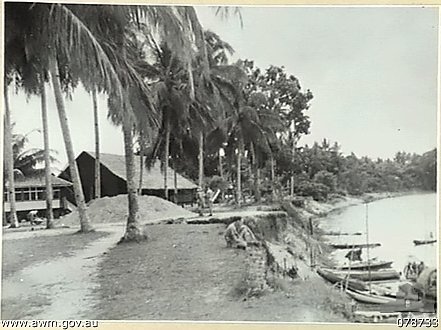
The Kota Bharu riverbank in 1941: timber buildings and praus moored under the palmsAustralian War Memorial · public domain
The riverside 1941 → today The riverbank in April 1941, months before the war reached it. Kota Bharu has always lived along its river. (Archival image: Australian War Memorial, public domain.)
NowPresent-day photo of Istana Balai Besarphoto wanted
ThenArchival photo, c. 1900–1950 — Istana Balai Besar, exterior of the audience hallphoto wanted
Istana Balai Besar c. 1844 → today The "Palace of the Large Audience Hall", raised under Sultan Muhammad II as Kota Bharu became the royal capital. It still stands by the old town and is used for ceremony.
NowPresent-day photo of Padang Merdekaphoto wanted
ThenArchival photo, early 1900s — Padang Merdeka / the open town greenphoto wanted
Padang Merdeka early 1900s → today The historic green at the heart of old Kota Bharu, long a stage for the town’s defining moments. Today it is ringed by the royal and heritage museums.
NowPresent-day photo of Bank Kerapu (the war museum)photo wanted
ThenArchival photo, c. 1912–1950 — the Bank Kerapu buildingphoto wanted
Bank Kerapu (War Museum) 1912 → today One of the oldest surviving buildings in town. Kota Bharu saw the first Japanese landing in Malaya in December 1941, and this building now tells that wartime story.
NowPresent-day photo of Pasar Siti Khadijahphoto wanted
ThenArchival photo — the old central market, before today’s Pasar Siti Khadijahphoto wanted
The central market then → now Kota Bharu has always turned around its market. Today it is the tiered Pasar Siti Khadijah, still run largely by the makcik traders.

这些地标依旧矗立,依旧在用,依旧彼此相距咫尺。读懂哥打巴鲁最好的方式,就是干脆走一走,从留存至今的建筑里读出那座旧城。

亲眼去看一看

如果这段历史打动了你,就把它编进你的行程里。先从我们的新手指南开始做个总览,看看必访之地里 Padang Merdeka 一带的文物群,再读一读当地文化与礼仪,以便你以受欢迎的客人之姿穿行其间。然后去走一趟旧城文物徒步,让数百年的光阴在步行的节奏里徐徐展开。

实用须知

哥打巴鲁是何时创立的?

哥打巴鲁在1844年成为吉兰丹的王室首府,由苏丹穆罕默德二世(Sultan Muhammad II)建造了 Istana Balai Besar(大议事宫)。其名字大致意为「新堡」或「新城」。

哥打巴鲁在二战历史中为何重要?

哥打巴鲁是日军在马来亚的首次两栖登陆之地,1941年12月就在城东北的海滩上演,揭开了马来亚战役的序幕。如今 Bank Kerapu(甲必丹银行)大楼内设有一座战争博物馆,讲述这段往事。

哥打巴鲁适合历史爱好者吗?

非常适合。围绕 Padang Merdeka(独立广场)的一片紧凑街区,集中了昔日的王宫(今为博物馆)、战争博物馆和其他文物厅堂,一个上午便可步行走遍。